N500 2.0 Gas Transmission Rate Tester
Manufactured by GBPI Testing Instruments
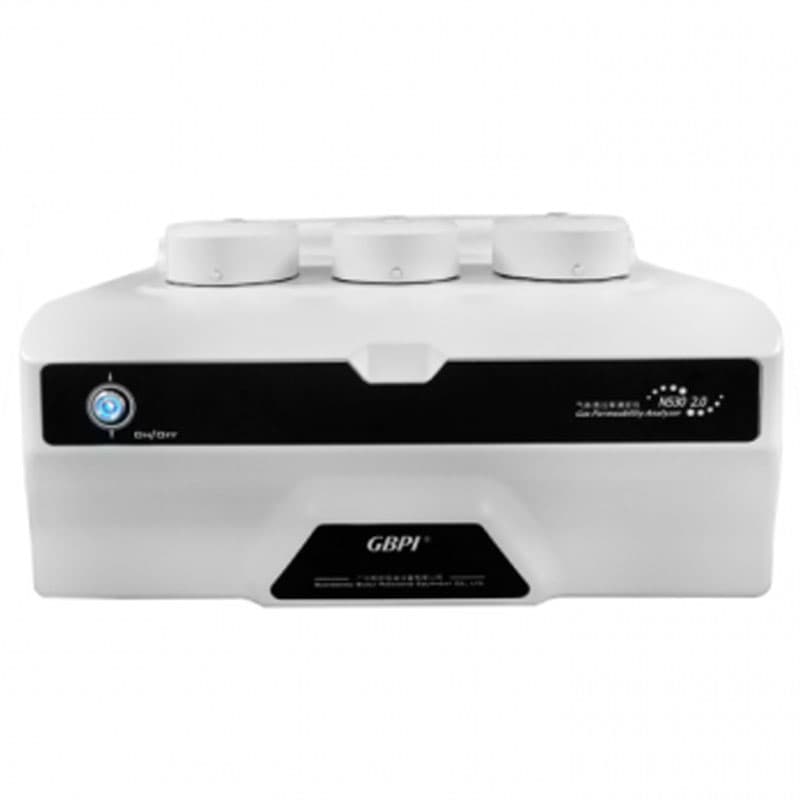
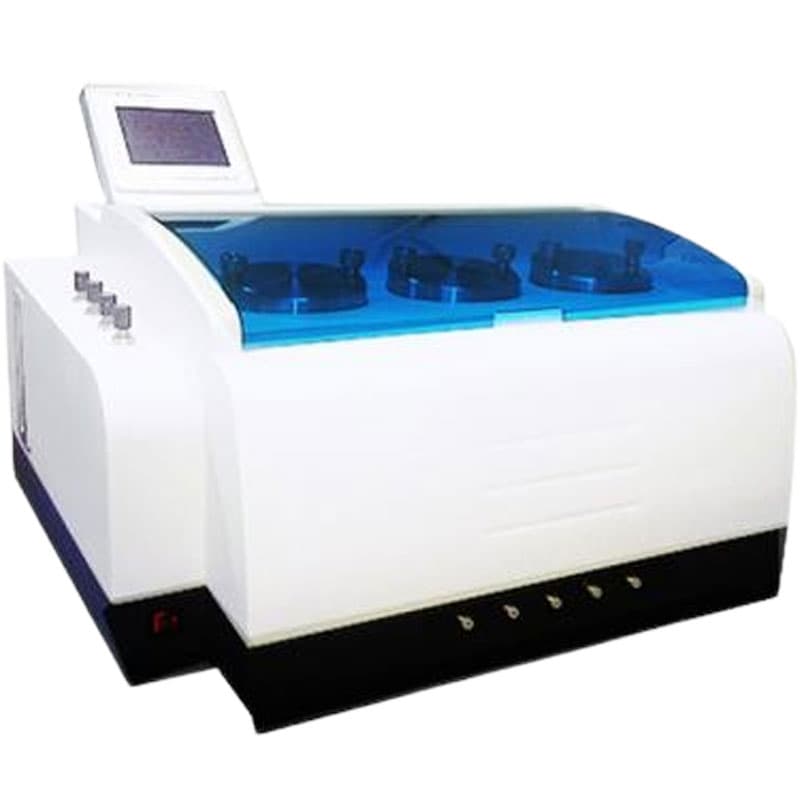
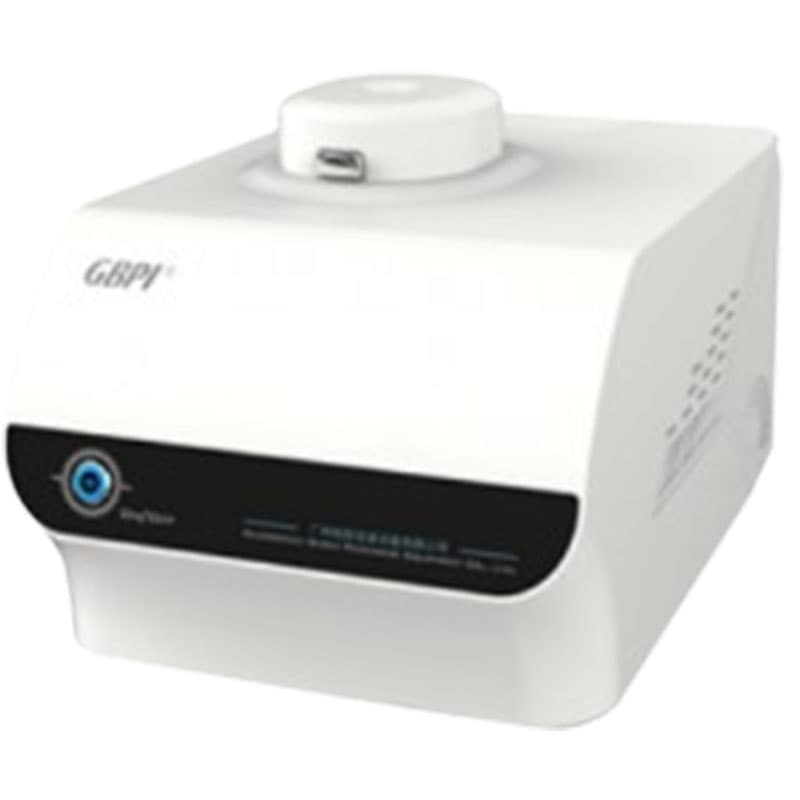
Designed and manufactured based on the differential pressure test principle, the N500 2.0 gas permeability tester is designed for precise measurement of gas permeability in various materials, including packaging, plastics, and rubber.
High-precision pressure sensors and patented automatic pressure differential technology ensure efficient and accurate testing by automatically maintaining the pressure difference on both sides of the sample (pressure differential can be adjusted arbitrarily).
Price on quotation
Benefits
- Single test cavity for a fast data test rate.
- Measurement precision up to 0.01 cm3/(m2 ·24h·0.1 MPa), enabling you to test high barrier materials such as aluminium foil.
- Space-saving design ideal for laboratories with limited space.
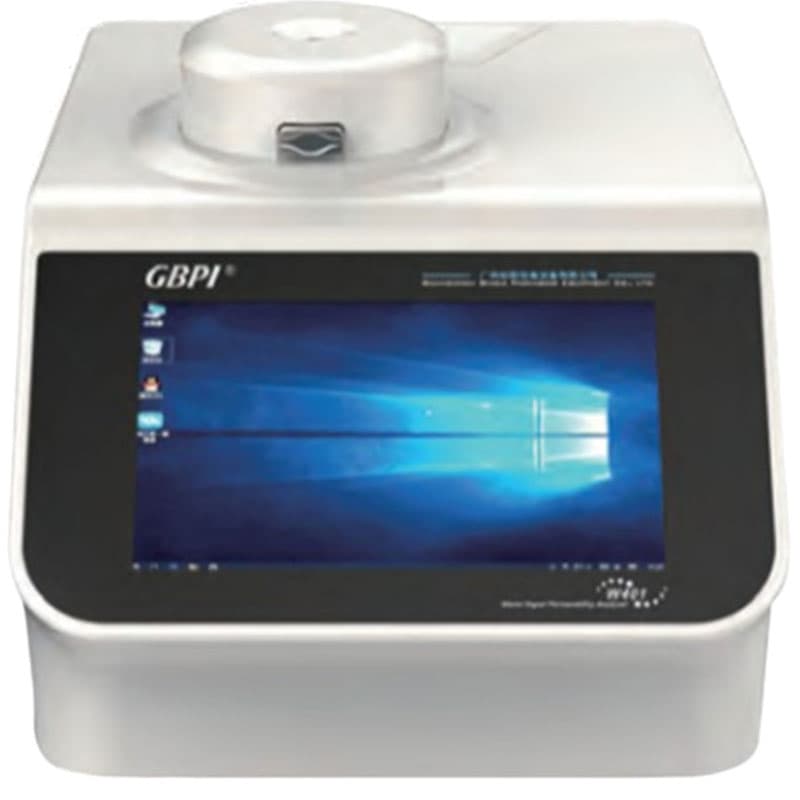
- User-friendly interface: Easy-to-use touchscreen interface for intuitive operation.
- Quick testing: Provides fast results, increasing efficiency in quality control processes.
- Adding package-testing accessories can test the gas permeability of bottles, bags, bowls, and other containers.
- Water-cooled temperature control technology provides automatic heating and cooling.
- No need for an external temperature control device, avoiding the disadvantages of large sizes and multiple failures.
- High measurement accuracy to 0.1°C.
- Meets ISO 2556, ISO 15105-1, and many other standards (See Specifications for full list).
- Automatic operation, judgement, and shutdown for convenient operation.
- Real-time display of five groups of curves: temperature, upper cavity pressure, lower cavity pressure, pressure difference change, and penetration.
- Curves with conceal function, support query function for background data.
- Professional pressure sensor with high precision and good stability can run for a long time.
- Sensor has an automatic protection function that exceeds the range to avoid damage to important sensors when the instrument fails.
- National standard materials are used to calibrate and verify the instrument to ensure the accuracy, versatility, and authority of the test data.
- Functional modular design and easy to maintain.
The N500 2.0 Gas Permeability Analyser is used in quality inspection, scientific research, film, food, medicine, daily chemical products, electronics, and other industries. It can be applied to:
- Plastic film, composite film, aluminised film, etc.
- Various sheets, plates, rubbers, ceramics, etc.
- Packaging containers, such as bottles, bags, bowls, etc.
- Other applications, such as solar backplanes, liquid crystal display films, medical patches, etc.
Standards & Certifications
GB/T 1038-2000, ISO 2556-1974, ISO 15105-1-2007, ASTM D1434, JIS K7126-1-2006, YBB00082003-2015
“Gas Permeability Tester “National Standard Material Classification Certificate” and “National Standard Material” Manufacturing Measuring Instruments License (GBW(E)130541/2).
Technical Data
Test range: 0.01~50000 cm3 / (m2 ·24h·0.1 MPa) 600, 000 cm3 / (m2 ·24h·0.1 MPa) can be tested by expanding the upper limit of the volume.
Test accuracy: 0.0001 cm3/(m2 ·24h·0.1 MPa)
Testing temperature range: 15~60°C
Temperature control precision: ±0.1°C
Degree of vacuum: <10 Pa
Vacuum resolution: 0.01 Pa
Test pressure: 0.1 MPa
Test gas: O2, CO2, N2, etc.
Test area: 50.24cm2
Sample size: Φ110mm
Sample thickness: ≤2mm
Number of samples: 1 piece
Power: 450W
Power supply: AC 220V, 50Hz
Dimensions: 380mm x 585mm x 345mm
Weight: 25kg