Loading…

- Free expert advice
- Top rated customer service
- 40 years experience
- ISO/IEC 17025 & ISO 9001
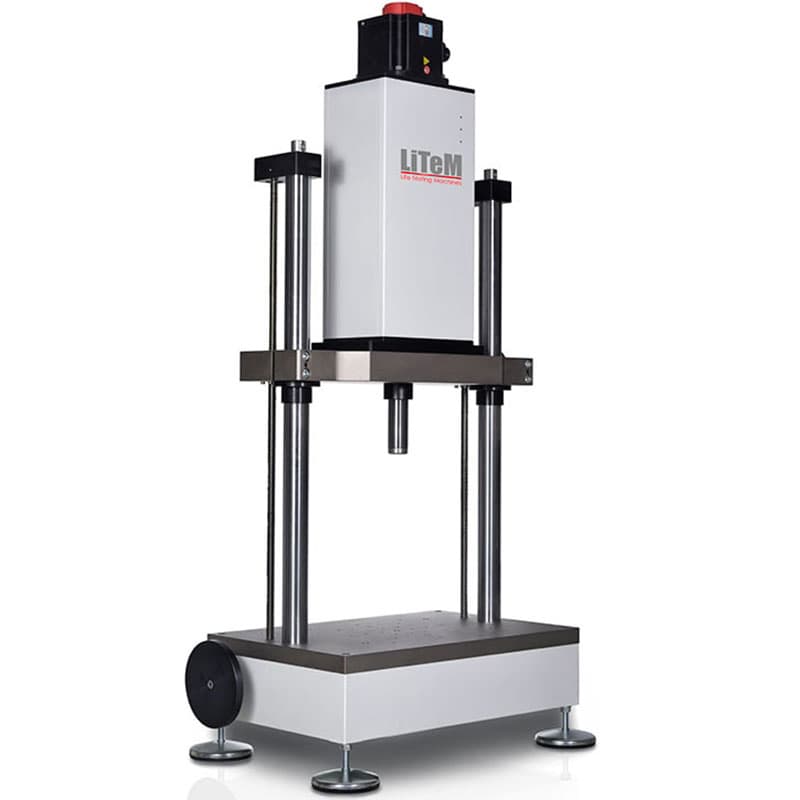
Fatigue testing machines are the cornerstone of testing durability in modern engineering. AML supplies a sophisticated and versatile range of fatigue testing systems and accessories to help you determine the longevity and reliability of components and materials subjected to repeated cyclitic stress and strain.
From electrodynamic fatigue testing machines to real-time test controllers, our machines are built for all kinds of fatigue evaluation where accuracy, efficiency, longevity, and stability are paramount. These include dynamic, high-cycle, low-cycle, and static fatigue tests.
We also offer comprehensive, UK-based maintenance and calibration services. This ensures sustained precision and guarantees your fatigue testing equipment fully adheres to international standards.
Fatigue testing evaluates the durability of components and materials under cyclic loading conditions. This crucial process is carried out by engineers and material specialists to determine the number of stress or strain cycles a component or material can withstand before failure.
Fatigue material testing is vital for accurately predicting a material’s lifespan under typical usage scenarios and real-operating loads.
Integrating it into your quality control programs supports consistent performance and strengthens confidence in product durability, safety and long-term reliability.
It helps engineers and manufacturers confidently predict fatigue life and fatigue limits to avert potential failures in safety-critical products like aircraft wing structures and medical implants.
Material fatigue testing is pivotal across many industries where the endurance and mechanical resilience of materials subjected to cyclic stress and vibration needs to be assessed. Common applications for studying how materials respond to repeated force and or displacement cycles include:
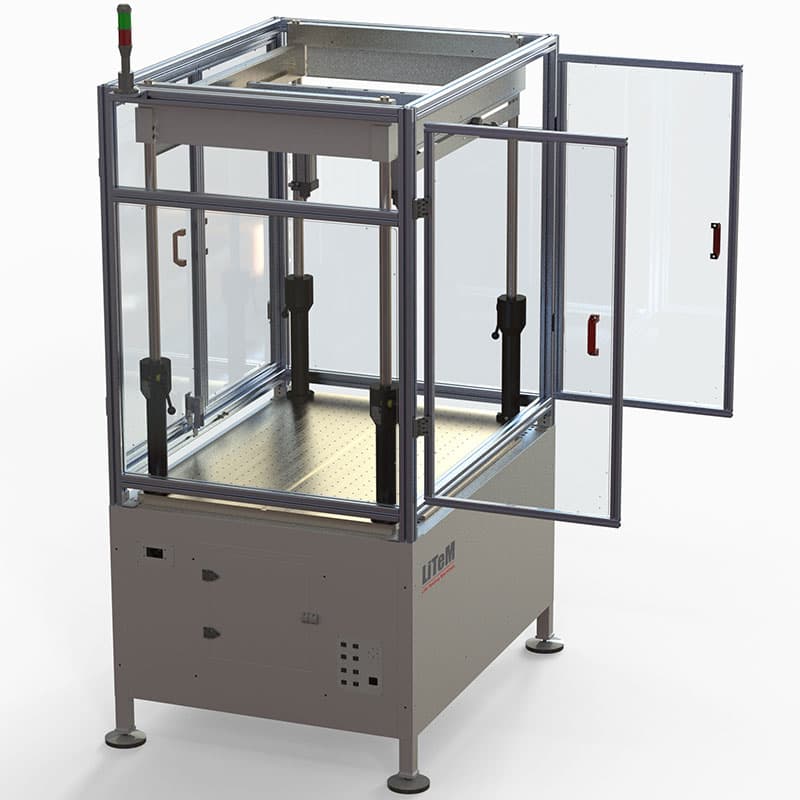
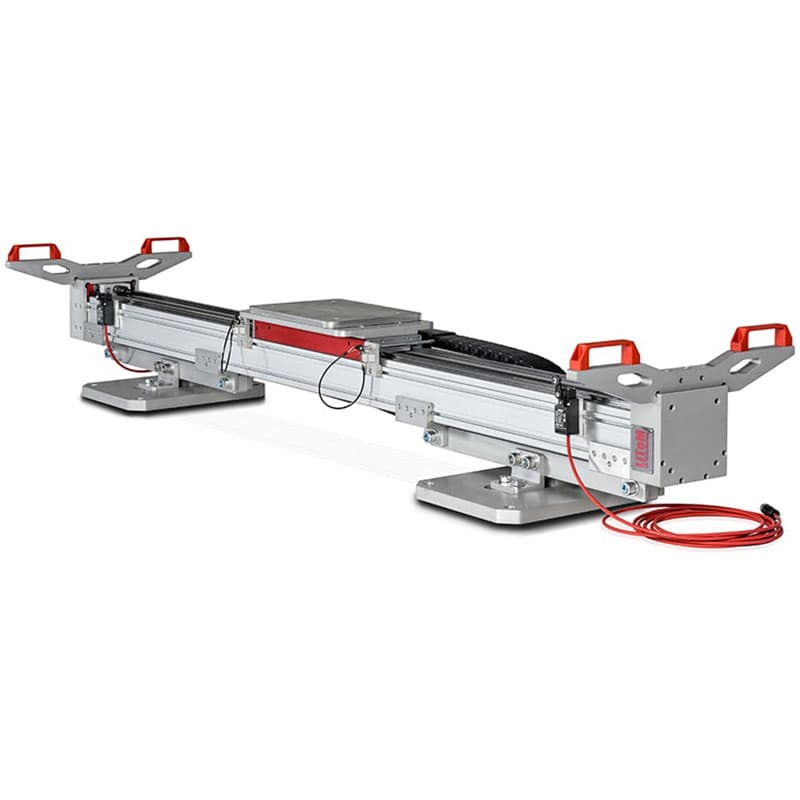
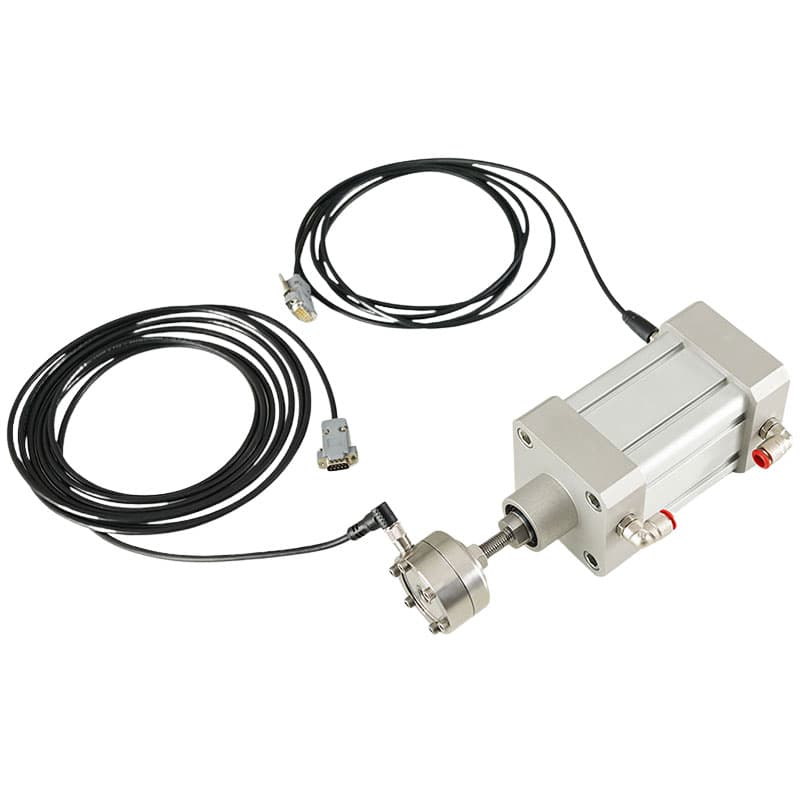
Our range includes axial (push-pull), high cyclic, multiaxial, modular, real-time-test controllers, and rotary bending machines.
Each machine is designed for specific testing scenarios and offers flexible testing options through different fatigue testing accessories and fixtures for both simple and complex real-world applications. The way the load is applied defines the test type, with some of the most common methods covered in detail below.
Axial fatigue testing
Axial fatigue testing directly applies alternating tension and compression forces along the longitudinal axis of a specimen. This helps you understand how components subjected to axial forces such as bolts and fasteners react under tension-compression or tension-tension stress cycles.
Bending fatigue testing
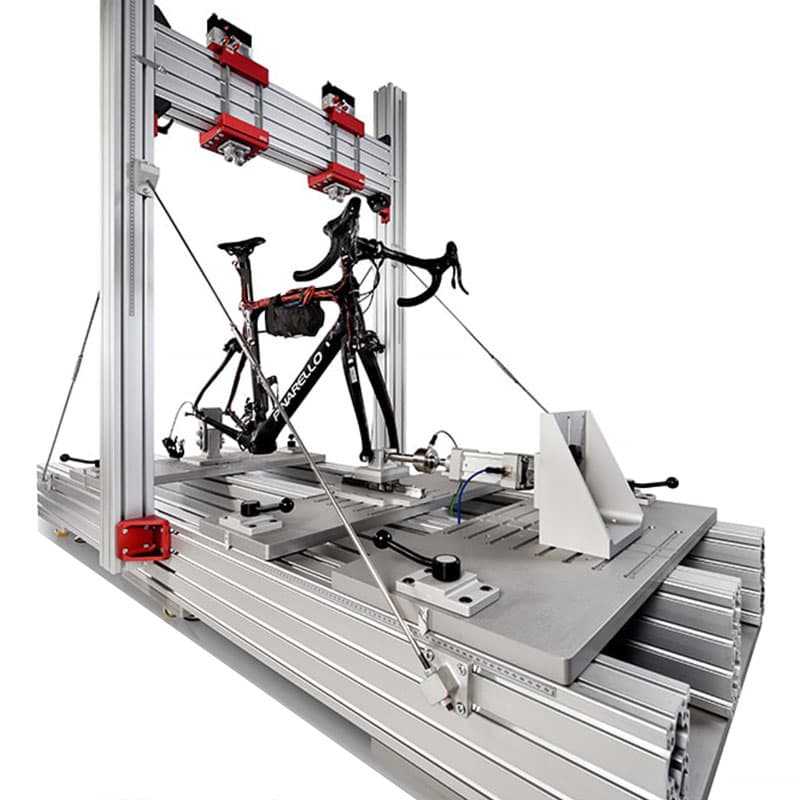
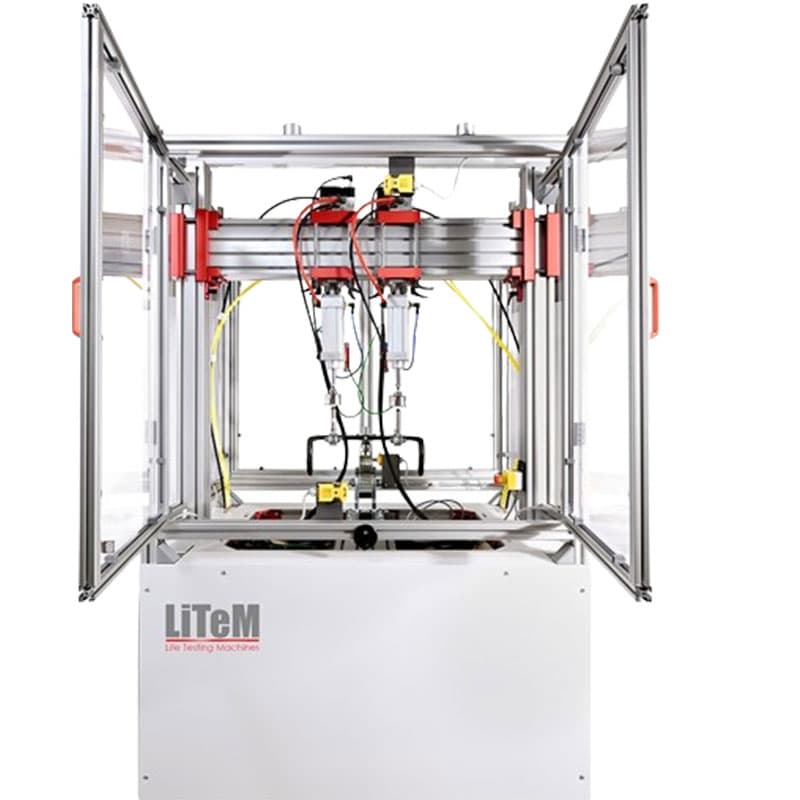
This is where a bending stress is repeatedly applied to a component or material to ascertain its fatigue strength. Specialised machines like the BYC 200 Modular Fatigue Testing Machine are designed to perform forward and lateral bending fatigue tests on bicycle handlebar stems and their assemblies.
Another important method for evaluating material fatigue is rotating bending fatigue testing. This subjects a rotating specimen to repeated bending stress cycles at very high speeds. It’s important for rods, shafts, and other components that experience rotational forces.
Dynamic fatigue testing
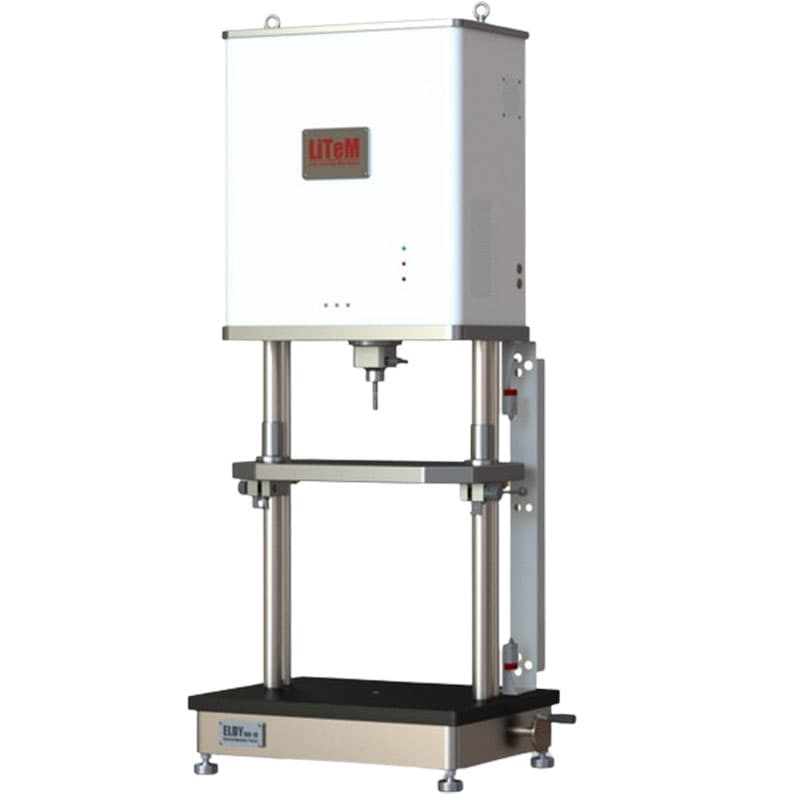
Dynamic fatigue testing machines like the ELDY 10 and ELDY 100 are essential for understanding how materials and components behave under real-world dynamic conditions. This involves subjecting them to cyclic or fluctuating loads over time, typically until failure occurs.
High cyclic fatigue testing
High cycle fatigue (HCF) tests put components and materials through a high number of repeated, relatively low stress cycles (usually exceeding 100,000). As these cyclic stresses remain well below the material’s yield strength, its deformation is typically elastic in nature.
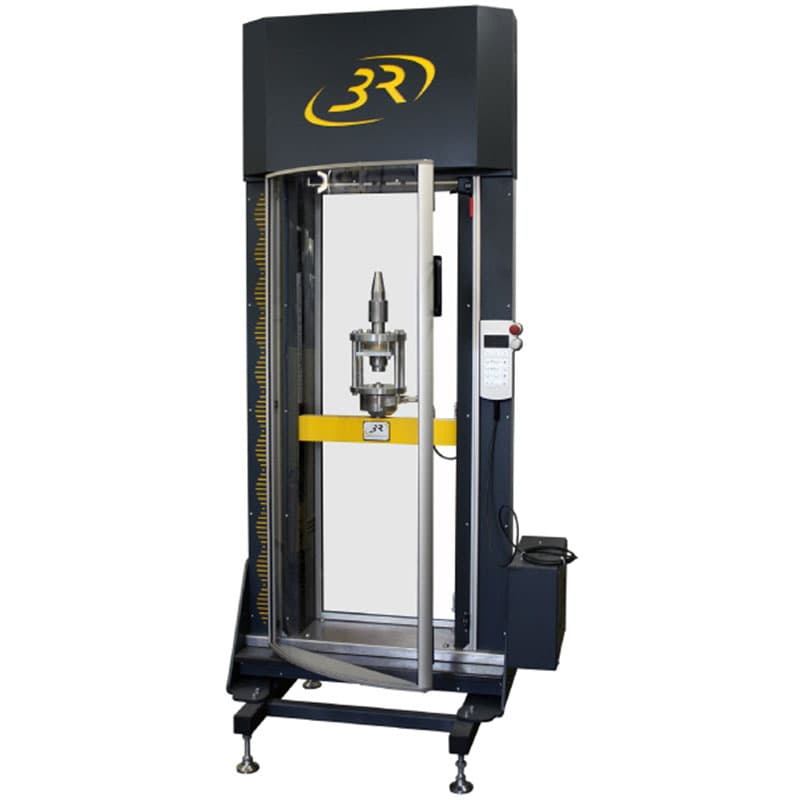
A step up from this is Very High Cycle Fatigue (VHCF) testing, which evaluates material fatigue under light, repetitive loads exceeding 10 million cycles. In the case of the MEG-20 TT, you can run a mind-boggling one billion cycles in just 14 hours.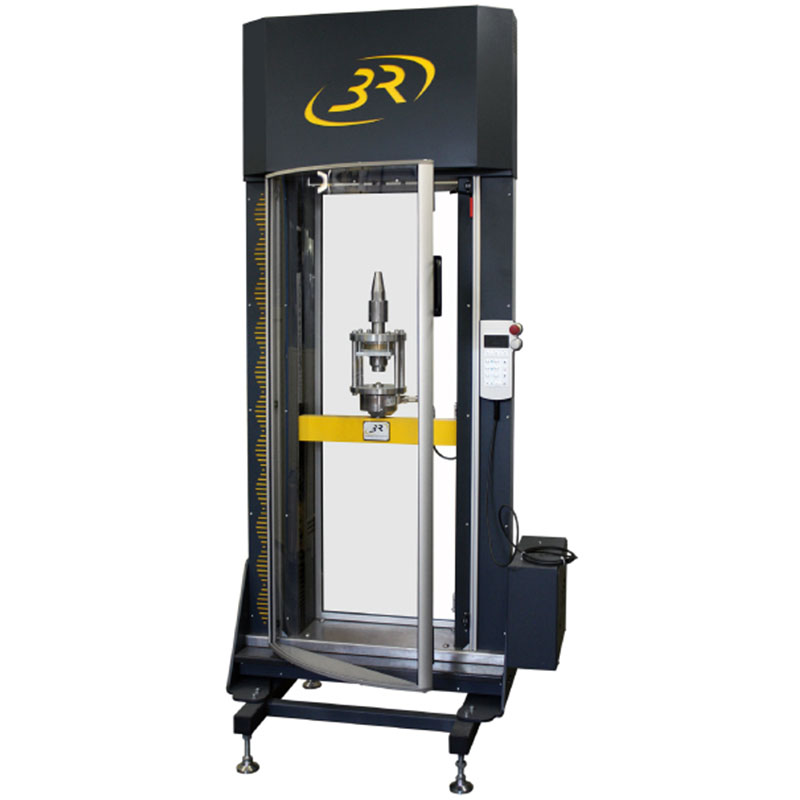
MEG-20-TT pulsating tensile very high cyclic fatigue testing machine with enclosed testing chamber, tensile grips, and integrated control panel.
Low cycle fatigue testing
Low cycle fatigue testing examines the endurance of materials under high-stress, low cycle loads (no more than 100,000) where the stress is sufficient to cause significant plastic deformation in each cycle. Unlike high cyclic fatigue testing, failure occurs after a relatively small number of cycles.
This type of fatigue testing is frequently used for rotating components and materials with uses that expose them to high temperatures or mechanical stress. For example, high-speed motors for electric vehicles.
Static fatigue testing
The static method is a test where baseline materials such as ceramics and glass are subjected to steady and sustained stress conditions to determine time-to-failure. This is achieved by applying a single force or load that exceeds the static strength of the material or structural component.
Thermal fatigue testing
Components and materials used in industries like cold chain logistics and aerospace are prone to temperature fluctuations, which makes thermal fatigue testing a critical part of their operations. This degradation process enables engineers to see how materials respond to cyclic thermal loading (repeated heating and cooling cycles), which often causes expansion and contraction stresses.
Torsional fatigue testing
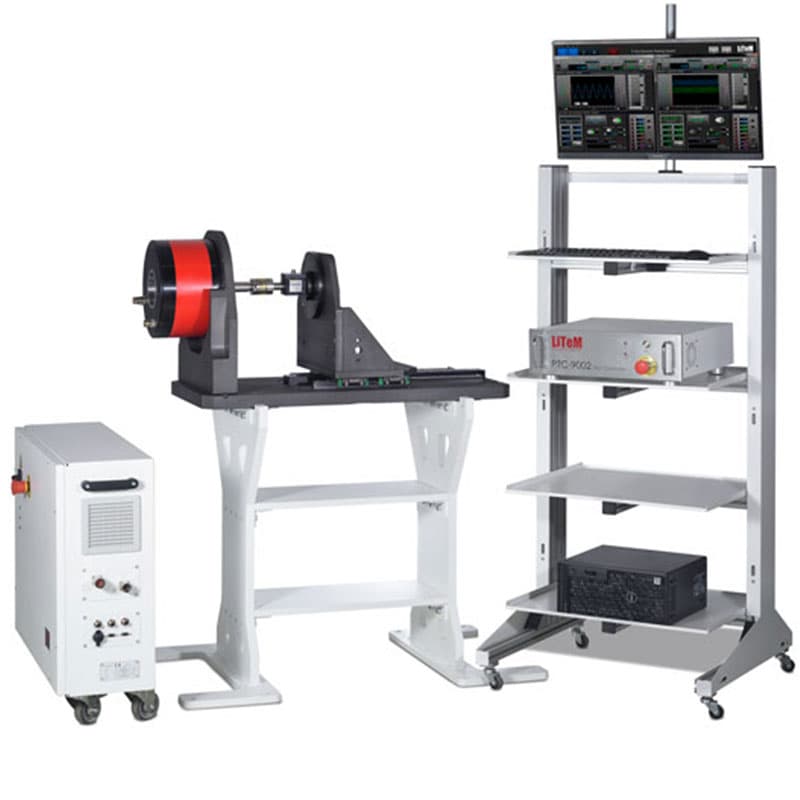
Torsion testing machines predict material and product behaviour when subjected to the stress of repeated twisting motion. Think about car engine components like wheel rims which must endure high rotational torque and sharp braking.
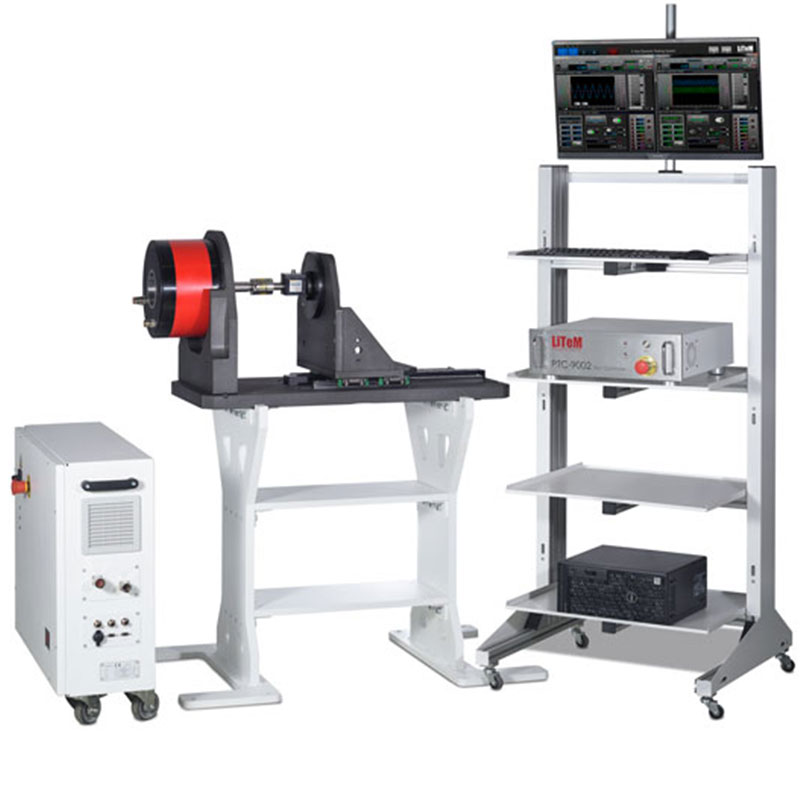 Complete newTOR torsion testing system with test frame, control cabinet, and computer workstation for automated torque and torsion testing.
ISO standards for fatigue testing
European & national standards for fatigue testing
Fatigue testing and accurate analysis is essential for evaluating the endurance and mechanical resilience of materials subjected to cyclic stress and vibration. By employing precise test methods, you can significantly reduce long-term financial losses, operational downtime, product recalls, reputational damage, and safety risks.
Early fatigue evaluation ensures you:
Choosing the right fatigue testing apparatus will provide you with the actionable insights you need to reliably and safely evaluate material behavior under cyclic stress. It’s important you consider each of the following features:
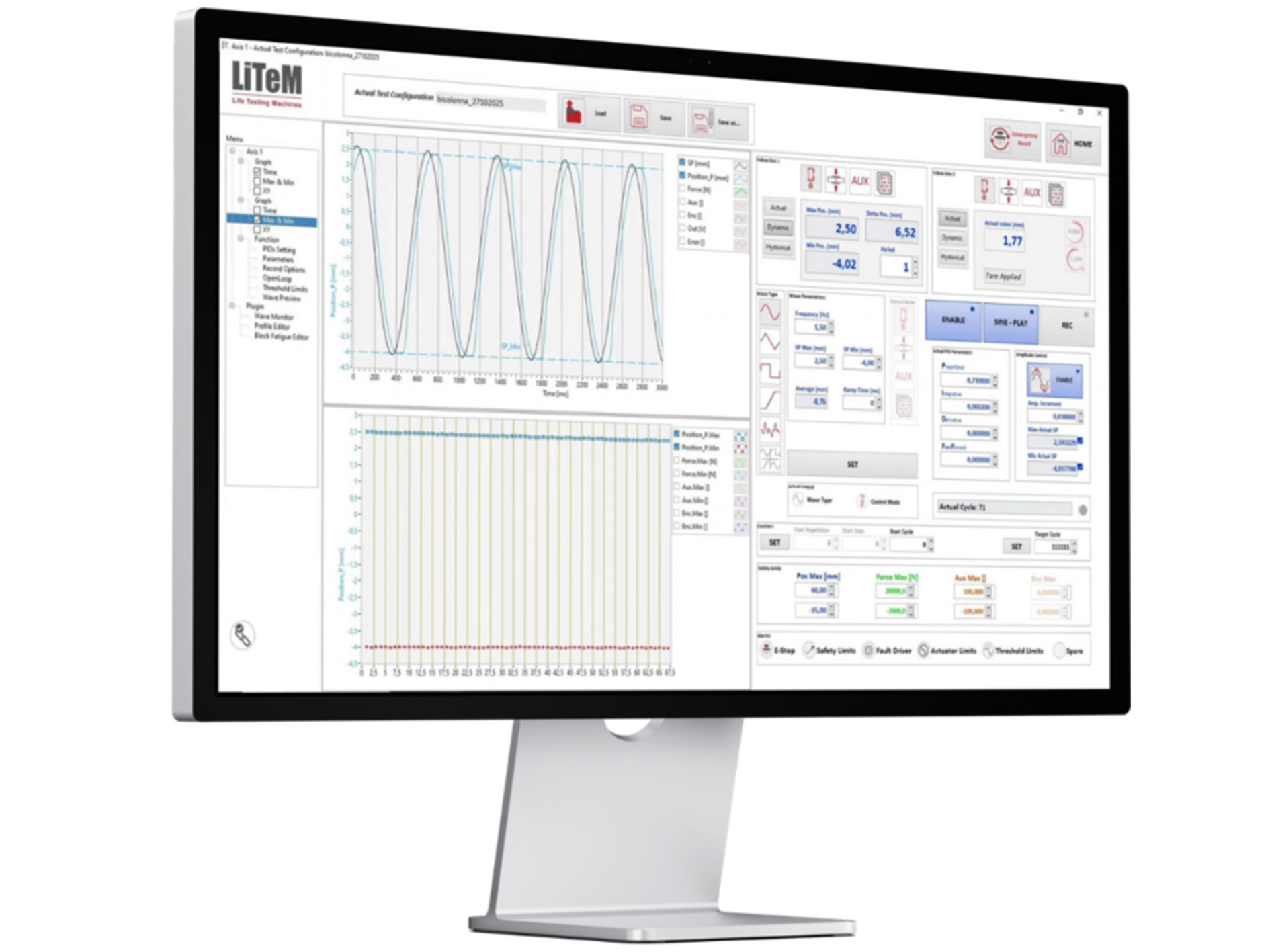
SX Software Suite fatigue testing software interface displaying real-time test graphs, cycle data, and machine controls.
Put us to the test today!
☎️ 01522 789375
✉️ sales@amlinstruments.co.uk
Filter
Showing 1–12 of 15 results