
Leak Tester Calibration
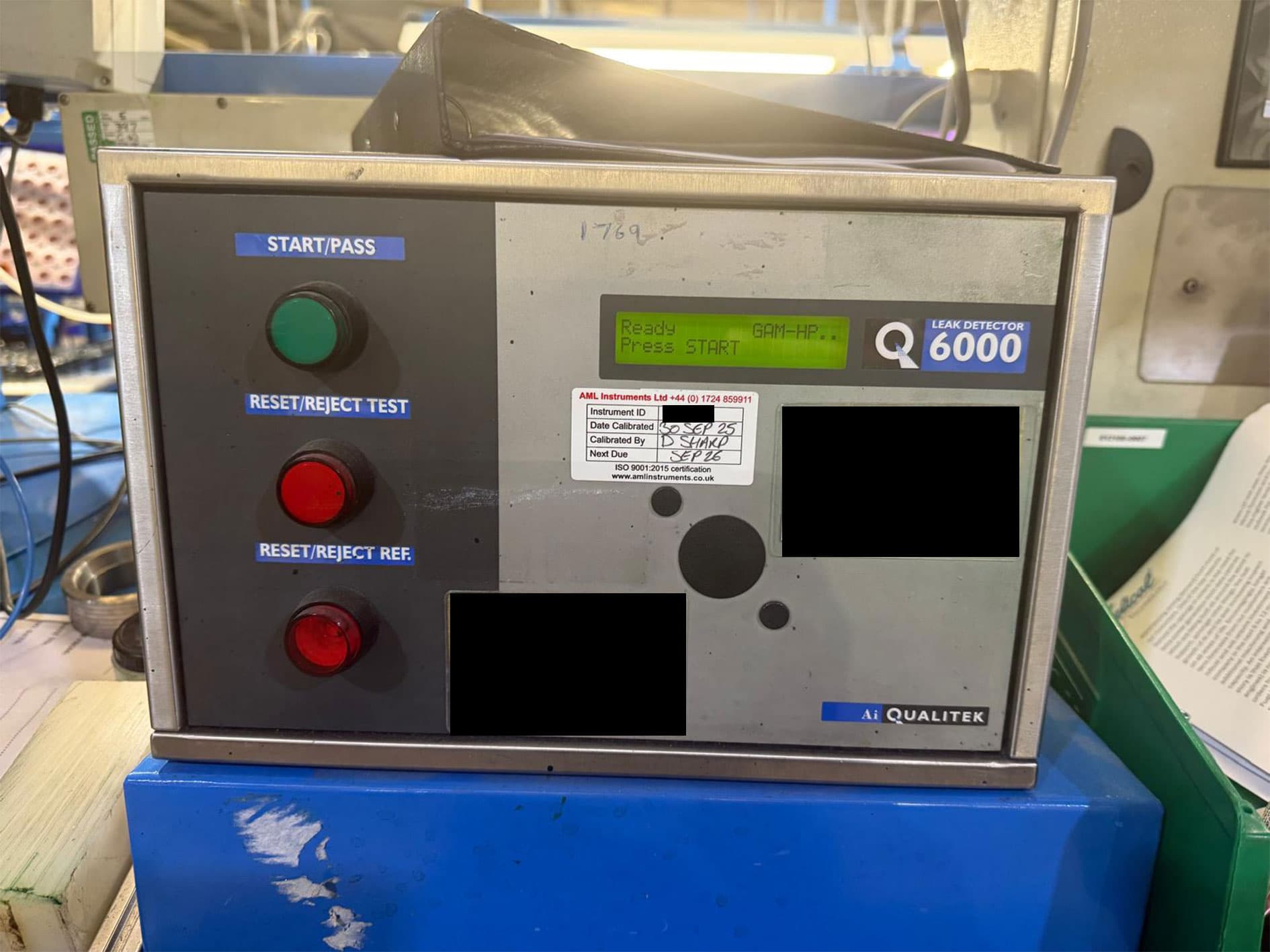
Accurate leak tester equipment (also known as pressure testing equipment) is integral to many industries, helping catch fluid tightness defects early in manufactured products and components like door seals, fuel tanks, IV bags, and pipes.
A leak is by nature invisible. A leak pressure tester works by pressurising the item being tested and then monitoring the pressure to see if it drops, indicating a leak. This non-destructive method is one of the most important standard procedures for sectors like aerospace, automotive and medical, as it stops the dangerous escapes of flammable fuels, toxic gases, etc., into the surrounding environment.
AML’s leak tester calibration service is traceable to national standards, giving you confidence in your results when checking if a product or component is properly sealed and has no leaks.
Available onsite and offsite, our experienced OEM trained engineers will ensure your equipment is working within the correct parameters, detecting leaks at the right thresholds, and maintaining compliance with industry standards.
Industries we support


Types and brands of leak testers we calibrate
- ATEQ leak testers.
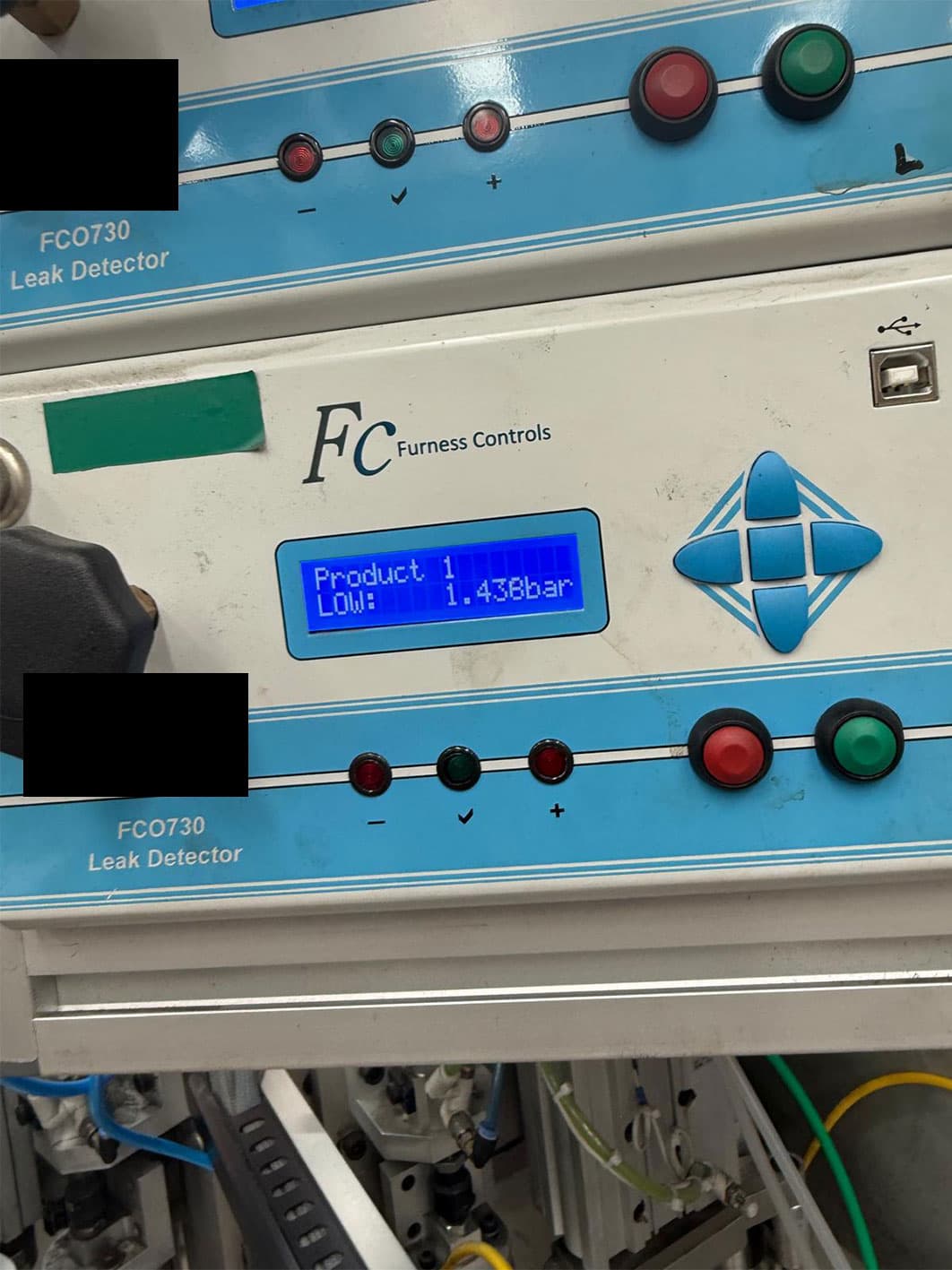
- Furness leak testers.
- Uson leak testers.
Onsite leak tester calibration
On-site calibration still makes up the bulk of our calibration services. This is where we come to your site to calibrate your leak tester machines. The biggest benefit is the minimal impact it has on downtime (you’ll typically have your tools calibrated and back with you within an hour). Keeping your leak testers onsite also eliminates courier fees, lowers the risk of device damage, and means your equipment is tested under the exact conditions it operates in.
We offer on-site calibration across the UK and Europe — please get in touch so we can pencil a date in the diary for one of our technicians to come to you.
Offsite leak tester calibration
Our offsite calibration offering has a standard turnaround time of five working days, making it ideal if you have back-up leak testers or your instruments being sent to us are not tied to critical downtime. All you need to do is securely box your leak tester machine(s) and send them to our calibration lab in Lincolnshire. We’ll do the rest.
Once we’ve got them measuring magnificently, we’ll send them back to you and email you the tracking details, so you can keep an eye on delivery progress.
Express 24-48 hour and “Calibrate While You Wait’ options are also available, as long as you give us a bell beforehand. If that wasn’t enough, we also run a local calibration collection and delivery service for businesses within a 40-mile radius of our postcode (LN1 2WE).
How AML can stop you leaking inaccurate data
Many companies tend to think about calibration after the event (or leak in this case).
By working with AML Instruments to implement a proactive calibration schedule, you can be certain your leak testers are performing at peak accuracy and can identify leaks at extremely fine thresholds (sometimes down to fractions of a micron!).
Contact us today to ensure your leak detection systems remain compliant and maintain the highest levels of accuracy in leak detection.
☎️ 01522 789375
Why is leak tester calibration important?
In today’s demanding manufacturing space, you can’t afford to risk uncalibrated leak testers. You need to be 100% sure that your product(s) or component(s) are properly sealed and have no leaks, or the consequences can be severe. Think about faulty fuel tanks or infusion systems — they’re not just financial problems, they’re safety issues. By missing critical defects, you could cause harm to human health, damage to ecosystems, and explosions or fires.
That’s why regular calibration is paramount to ensuring your leak detection system continues to function as intended.
How often should you calibrate your leak tester equipment?
Check the manufacturer’s handbook for calibration interval recommendations — they should be the minimum standard you follow. They typically range from six months to a year, but environmental factors like temperature fluctuations and exposure to contaminants (dust, oil, etc.) can affect the sensitivity of your instruments.
If your pressure leak tester operates in harsh conditions or is used in critical applications, there’s a strong chance it will need to be calibrated more than once a year. If you’re still unsure, our friendly, knowledgeable team will be happy to advise.
Here to help.
If you have any questions about any of our instruments or services or have any technical enquiries, please fill out the contact form and we will be in touch as soon as we can.
Alternatively, contact us: