
Top Tips For Maintaining Your Melt Flow Index Tester
Melt Flow Indexers (MFIs) are vital pieces of test equipment for the plastics and polymers industry when assessing the flowability and melt viscosity of a thermoplastic polymer. However, you can only be certain your polymer will perform reliably in its intended application if your device delivers consistent MFI testing values.
By preserving the machine’s precision, accuracy, and longevity, you can ensure the perfect plastic product is delivered to your customers. We’ve shared five top maintenance tips below, so you can keep your MFI in excellent working order, minimise downtime, and accurately analyse the quality of plastic materials for years to come.
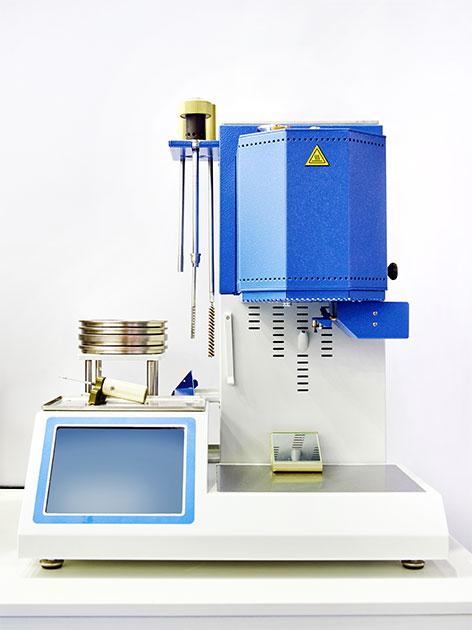
Top troubleshooting and maintenance tips for MFI testers
- Proper and regular cleaning
Cleaning your MFI immediately after each test is essential, as it helps ensure your machine will run smoothly. This includes cleaning the barrel, die, and piston.
Do not turn off the device before cleaning but be mindful it’s going to be extremely hot. That’s why you should always wear protective gloves and eyewear during this process.
Start by removing the piston from the barrel and eliminating any residue using a clean cotton rag or pad. Residue left in situ can harden or liquify over time, which will affect the repeatability of your results.
Next remove the die and clean it with the die cleaning broach and/or a brass brush while it’s still hot (avoiding solvents or abrasives) to remove any residual plastic from both the surface and centre orifice.
The barrel must also be thoroughly cleaned, so it’s “mirror-like” and free of imperfections. Constant swabbing with a cotton cleaning implement is usually sufficient, but a brass brush can be used if the residue from previous tests is stubborn.
Once all these components have been cleaned, replace the Die in the Barrel and return the Piston to the Barrel so it remains at the same temperature as the barrel, helping to ensure the accuracy of the next test.
Important: Make sure the barrel and orifice die are always cleaned before and after starting the test.
2. Monitor the temperature
The temperature controller precisely controls the temperature of the heated barrel and test die, allowing them to be set to varying temperatures. MFI tests rely heavily on precise, stable temperatures, so regularly checking the temperature of the barrel will ensure they remain the recommended range and prevent inconsistent test results. AML can supply a specially designed temperature probe for these checks.
3. Standard Reference Material (SRM)
ASTM D1238 recommends the use of Standard Reference Material (SRM). This can help you cross-check Melt Flow Rate (MFR) results, for example, when dealing with different compounds.
Regularly testing a sample of this reference material will help you determine whether there are significant variations in results, which may indicate calibration issues or signs of wear and tear.
4. Regular calibration
Like all testing equipment, your MFI should be calibrated regularly to ensure accurate measurement of polymer flow properties. The manufacturer’s instruction manual should provide guidance, but we’re also happy to advise on best practices depending on the intended application, frequency of use, and other relevant factors.
5. Check for wear and tear
Die orifice measurement
The die’s orifice should be checked using the supplied plain plug gauge after cleaning.
Piston Head Diameter
As a minimum, Piston wear (especially with more aggressive polymers) should be visually inspected on a weekly basis and, if in any doubt, measured with a micrometer. The end of the piston head should be 9.474 +/- 0.007 mm. This is a common failure during the formal calibration process. In extreme cases, we have witnessed this larger end diameter completely worn away, so it’s best practice to keep an eye on the piston.
Barrel Inspection
Inspect the barrel carefully to ensure all polymer is removed. As well as a visual inspection a good indicator of cleanliness is if the die won’t drop freely from the top of the barrel to the bottom — this is usually due to not having a clean barrel.
Other good MFI maintenance practices
- Handle the cutter with care when the machine is in automatic mode.
- Inspect the barrel or die for any blockages.
- Don’t exceed the heating capacity of the machine while testing your specimen.
- Regularly check the condition of the piston.
How AML can help you maintain your MFI with ease
Following the pointers in this guide will help you get the most from your MFI tester, keeping it operating reliably and accurate over time, while ensuring it remains within the tolerances specified by industry standards.
If your test results are inconsistent, your machine needs calibrating, or you need further assistance with this testing equipment, please get in touch with our team of technical experts who will be happy to help.